
A cleaner home, more time for you
When your calendar is full, home cleaning often turns into a stressful cycle where you let tasks slide during the week, then spend precious downtime catching up. A weekly cleaning routine breaks that loop. It keeps your home reliably clean, supports better daily habits, and removes the mental load of deciding what to tackle next. In this guide, you’ll learn what a weekly service typically includes, how the process works, and the biggest benefits for busy professionals. You’ll also receive practical tips for selecting a provider, avoiding common mistakes, and maintaining strong results between visits. [ez-toc]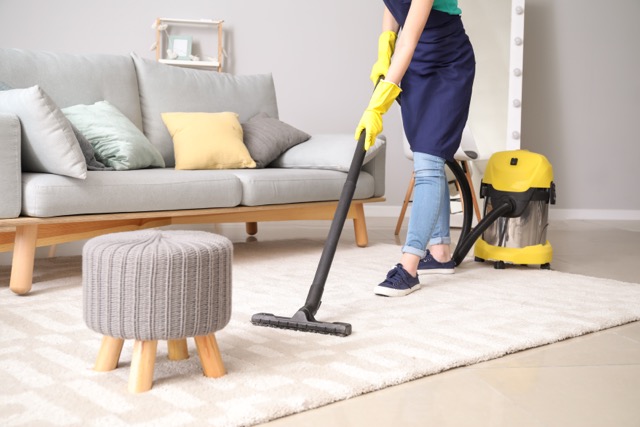
What a weekly cleaning service includes
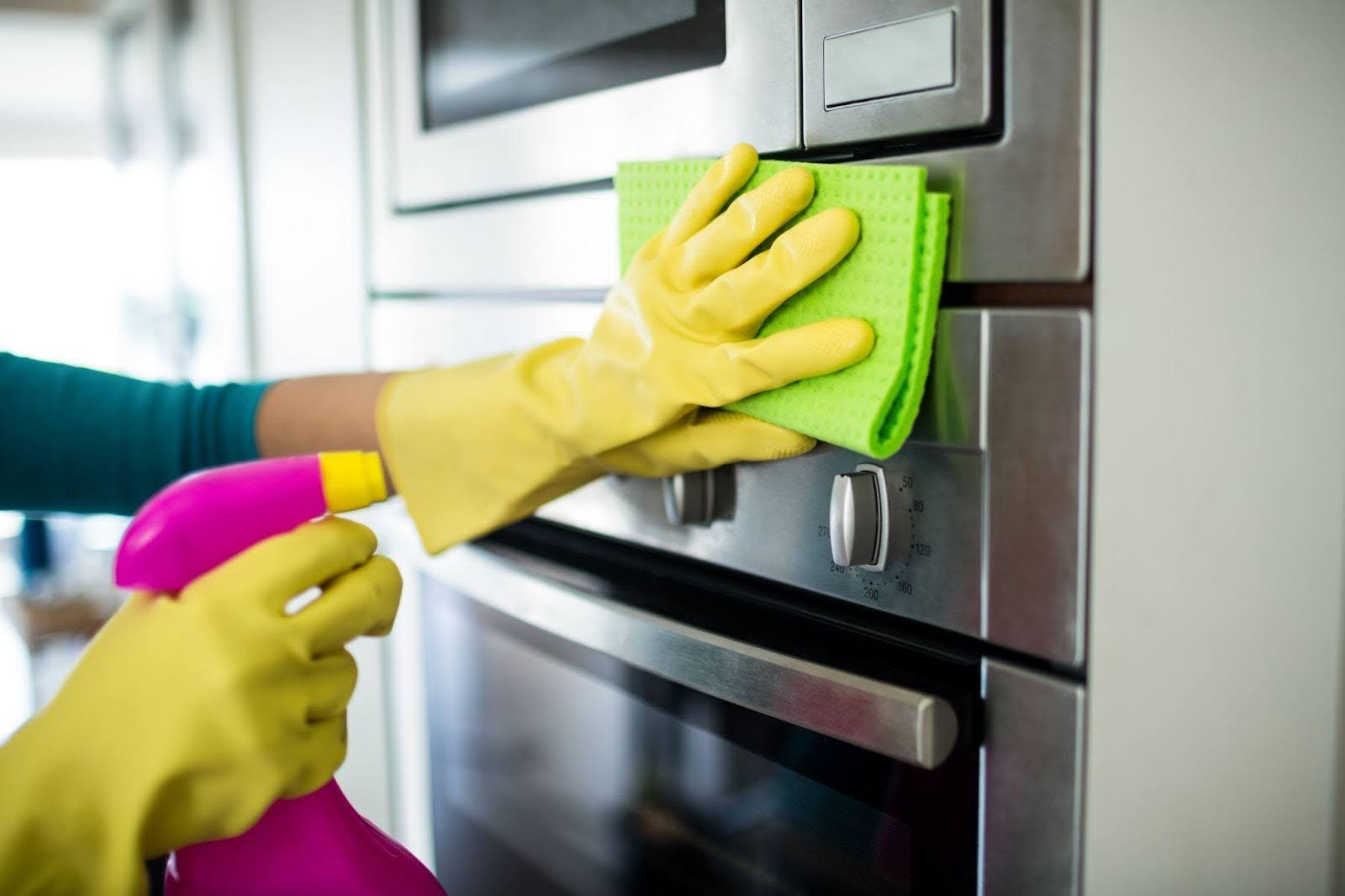
A weekly cleaning service delivers a consistent baseline of cleanliness through a repeatable checklist. Instead of waiting for mess and buildup to force a big clean, you keep your home reset on a predictable schedule. Most weekly visits focus on the areas that change fast and affect how your home feels day to day:- Kitchen reset: wipe counters, clean the sink, wipe exterior appliances, spot-clean the stovetop, and clean floors
- Bathroom refresh: clean toilets, sinks, mirrors, and showers or tubs, then sanitize key touchpoints and mop floors
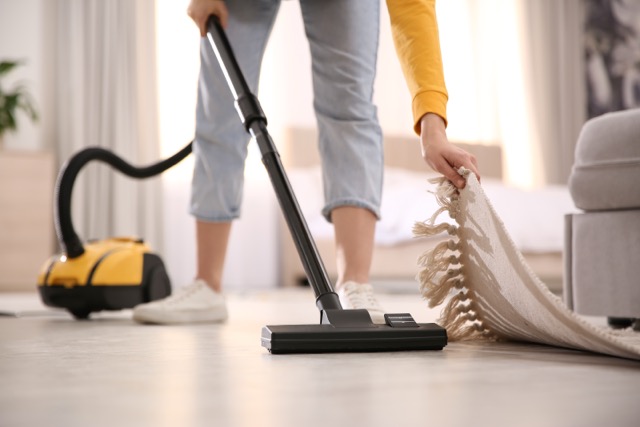
- Living areas and bedrooms: dust reachable surfaces, tidy up light clutter, vacuum, and clean floors
- High-touch details: handles, switches, and frequently used surfaces
9 benefits of hiring a weekly cleaner
Hiring a weekly cleaner is not about perfection. It’s about stability. Here are the most meaningful benefits for busy professionals.- You reclaim your weekends. Your downtime becomes real downtime. You stop trading rest for chores that never end.
- You reduce decision fatigue. When cleaning becomes a scheduled system, you no longer spend mental energy deciding what to clean, when, and how.
- Your home stays consistently presentable. You feel comfortable having friends over, taking an unexpected video call, or welcoming family without last-minute panic.
- You protect your mornings and evenings. A cleaner kitchen and bathroom make daily routines faster. You spend less time clearing counters and more time getting out the door.
- You can lower stress by creating a calmer environment. Clutter and grime create friction. A clean baseline makes your home feel like a recharge space, not another to-do list.
- You prevent buildup that leads to bigger cleanouts. Weekly routines interrupt grime cycles in kitchens, bathrooms, and floors, which reduces the need for exhausting “reset days.”
- You support healthier habits. When the home stays cleaner, it becomes easier to maintain that cleanliness. You wipe spills sooner, prevent clutter from spreading, and maintain better routines.
- You extend the life of surfaces and finishes. Regular dusting and proper floor care protect wood, tile, and fixtures from wear that builds up over time.
- You can increase hygiene when needed. A consistent baseline is helpful, but certain moments require more. Pairing routine visits with disinfection services during illness, after travel, or before hosting adds another layer of peace of mind.
Step-by-step guide to getting started
If you want weekly service to feel effortless, set it up like a system. Use this step-by-step process to get a plan that fits your schedule and priorities.- Choose your “non-negotiables.” Decide what must feel clean every week, such as bathrooms, kitchen counters, and floors.
- Set a baseline checklist. Keep it simple and repeatable. A strong weekly checklist usually includes surfaces, bathrooms, floors, and a kitchen reset.
- Pick a schedule that matches your reality. Many busy professionals choose a weekday visit so the weekend starts clean. If you work from home, book a time window that avoids meetings.
- Confirm access and communication. Share entry details, alarm notes, pet instructions, and how you prefer updates. Clear communication prevents missed expectations.
- Add health-focused support when it matters. If someone in your household has been sick, you have visitors coming, or you travel frequently, consider asking about disinfection services for high-touch areas and bathrooms.
- Refine after the first few cleanings. Your first visit sets the tone, but your best routine usually emerges from small tweaks after you’ve identified what matters most.
Examples for busy professionals
Weekly cleaning works best when life moves fast, and the home needs to keep up. Here are a few common scenarios where weekly service makes an immediate difference:- Hybrid or remote work: a clean home office helps you focus and looks better on video calls.
- Dual-income households: you protect evenings and weekends instead of splitting chores after work.
- Frequent travel: you come home to a reset space that feels calm, not overwhelming.
- New parents: you keep bathrooms and kitchens reliably clean during a season when time feels scarce.
- Pet owners: weekly floor care and dusting reduce hair, dander, and that “stale” feeling.
Common mistakes to avoid
Weekly service works best when expectations stay clear. Avoid these common pitfalls to get better results with less friction.- Skipping the checklist. If you never define priorities, you risk paying for “clean enough” instead of “clean where it matters.”
- Assuming extras happen automatically. Interior ovens, interior fridges, and major organization usually require add-ons or special requests.
- Not flagging special surfaces. Natural stone, hardwood, and specialty finishes often need specific products and techniques.
- Overloading a single appointment. A weekly visit should feel steady, not rushed. Save big projects for a deep clean or a rotated detail plan rotation.
- Ignoring rotation. If you never rotate detail tasks, the home may look clean but still feel unfinished over time.
- Choosing based on price alone. Reliability, communication, and consistency often matter more than saving a few dollars per visit.
Research insights to guide your decision
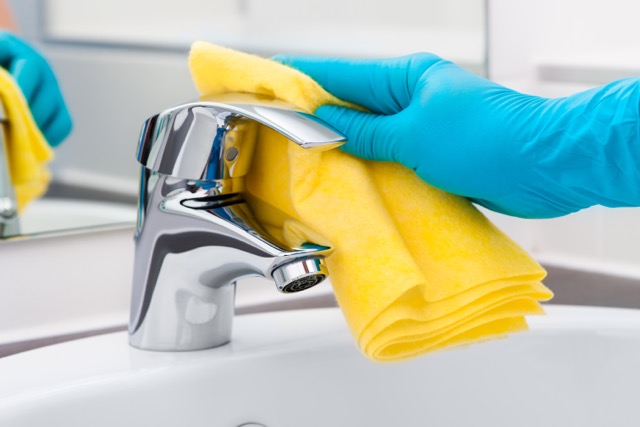
You do not need to memorize studies to make a smart choice, but a few research-backed realities can help you set priorities:- High-touch surfaces collect grime quickly. Handles, switches, and faucets may look fine, but they still benefit from regular attention.
- Kitchens and bathrooms shape the overall “clean” perception. Most people judge cleanliness by these two areas first.
- Dust and allergens settle continuously. Floors, soft furniture, and vents often need consistent vacuuming and wiping to stay under control.
- Routine beats occasional intensity. Smaller, regular resets usually feel easier to maintain than infrequent, exhausting catch-up cleans.
Tools and add-ons that make weekly cleaning easier
Even with professional support, simple tools help you maintain results between visits. Helpful tools for busy households- Microfiber cloths for quick counter wipes
- A small handheld vacuum for entryways and crumbs
- A shower squeegee to reduce soap scum buildup
- A dedicated “drop zone” basket for daily clutter
- Inside the microwave and small appliance wipe-down
- Cabinet front spot cleaning
- Pet hair focusing on upholstery and baseboards
- Targeted disinfection services for bathrooms and high-touch areas during high-risk seasons