What is home disinfection?
Home disinfection involves using EPA-approved cleaning products and techniques to remove harmful microbes, allergens, and toxins from your living environment. Unlike routine tidying, disinfection targets invisible threats such as bacteria, viruses, and mildew that trigger allergic reactions and illness.Step-by-step home disinfection guide
- Declutter and prepare surfaces Clear countertops, tables, and bedroom surfaces of clutter. Dust and debris block disinfectants from reaching bacteria.
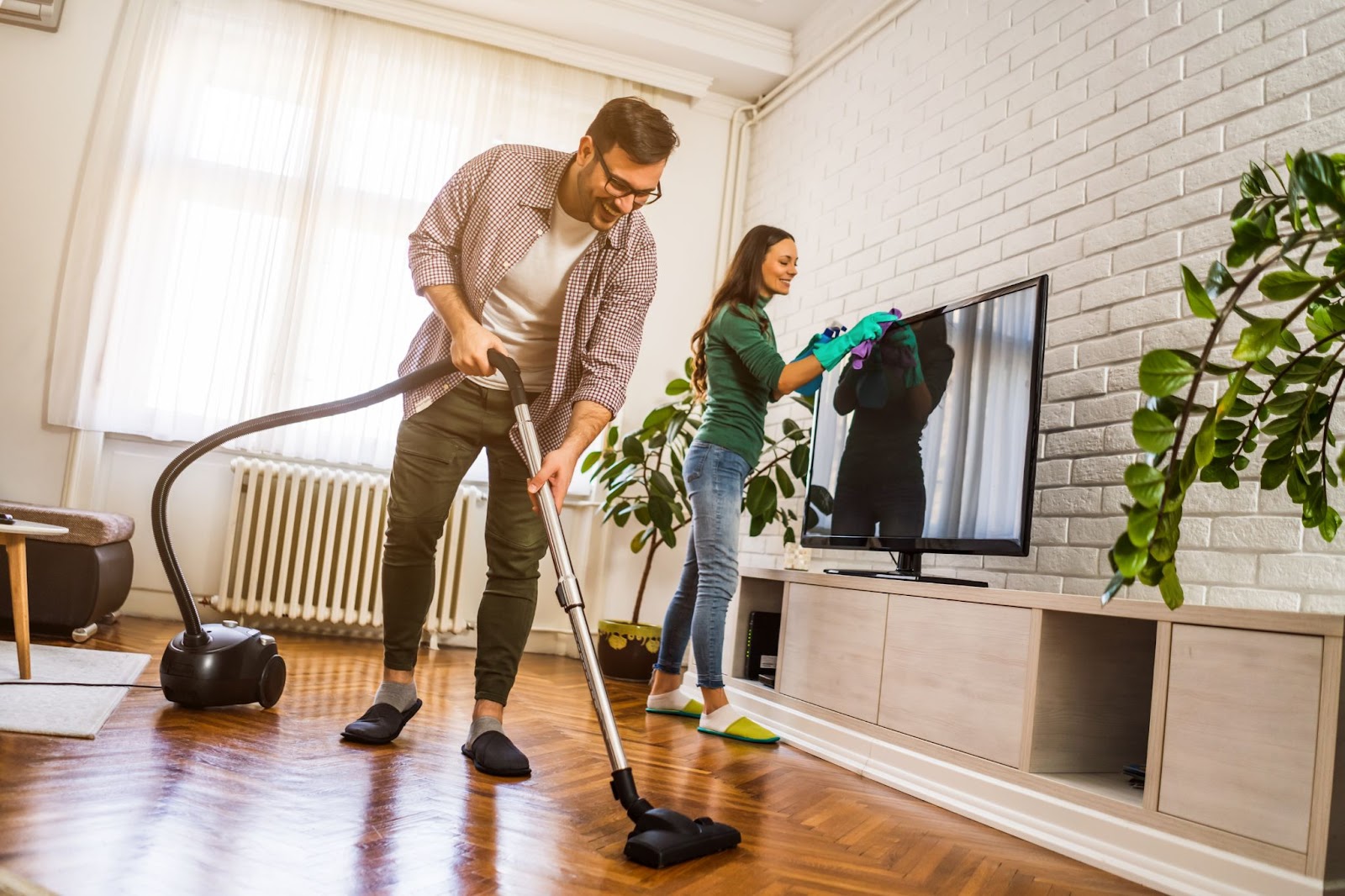
- Vacuum and dust thoroughly Use a vacuum with a HEPA filter to trap allergens. Focus on carpets, upholstery, vents, and curtains.
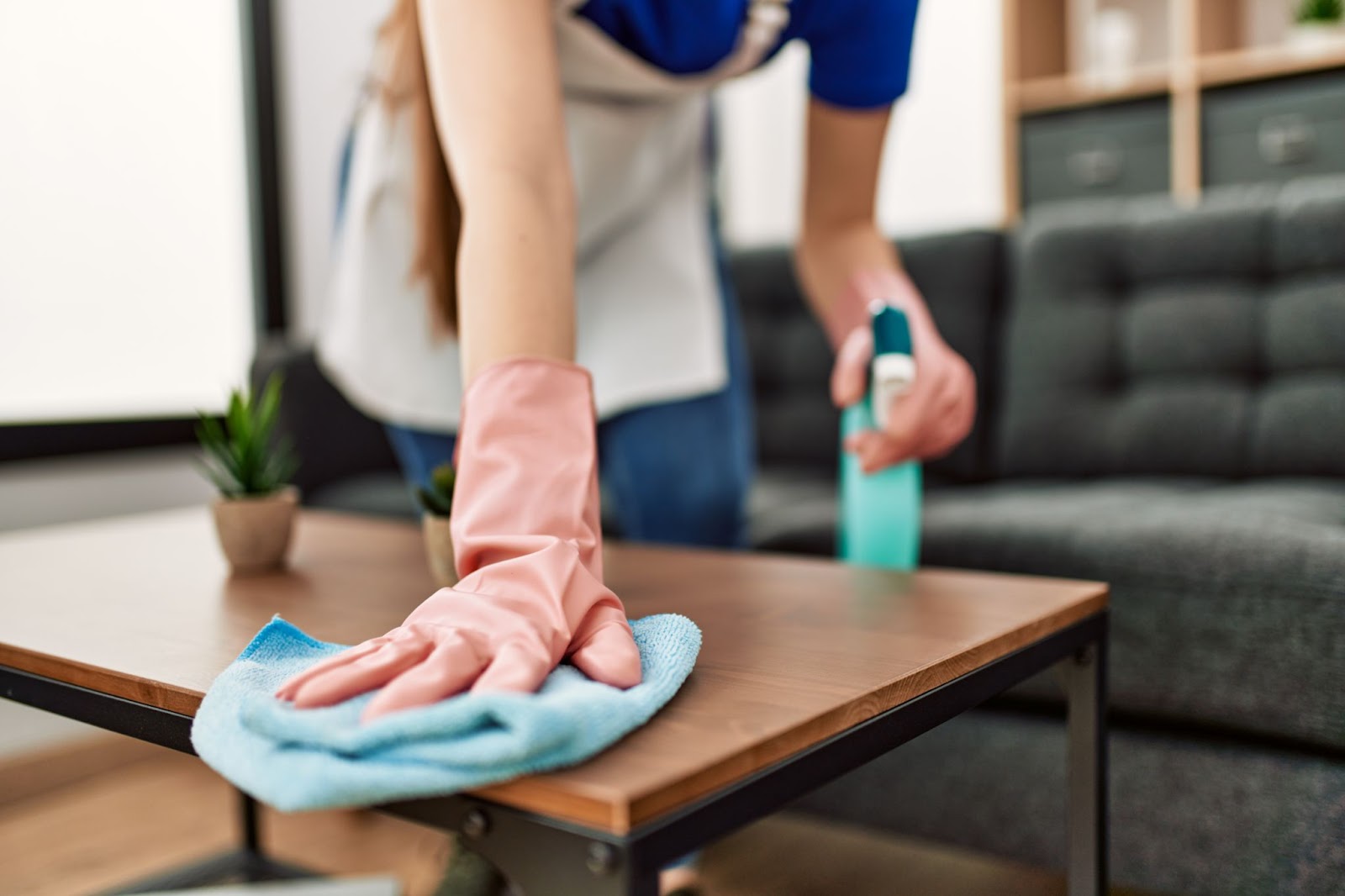
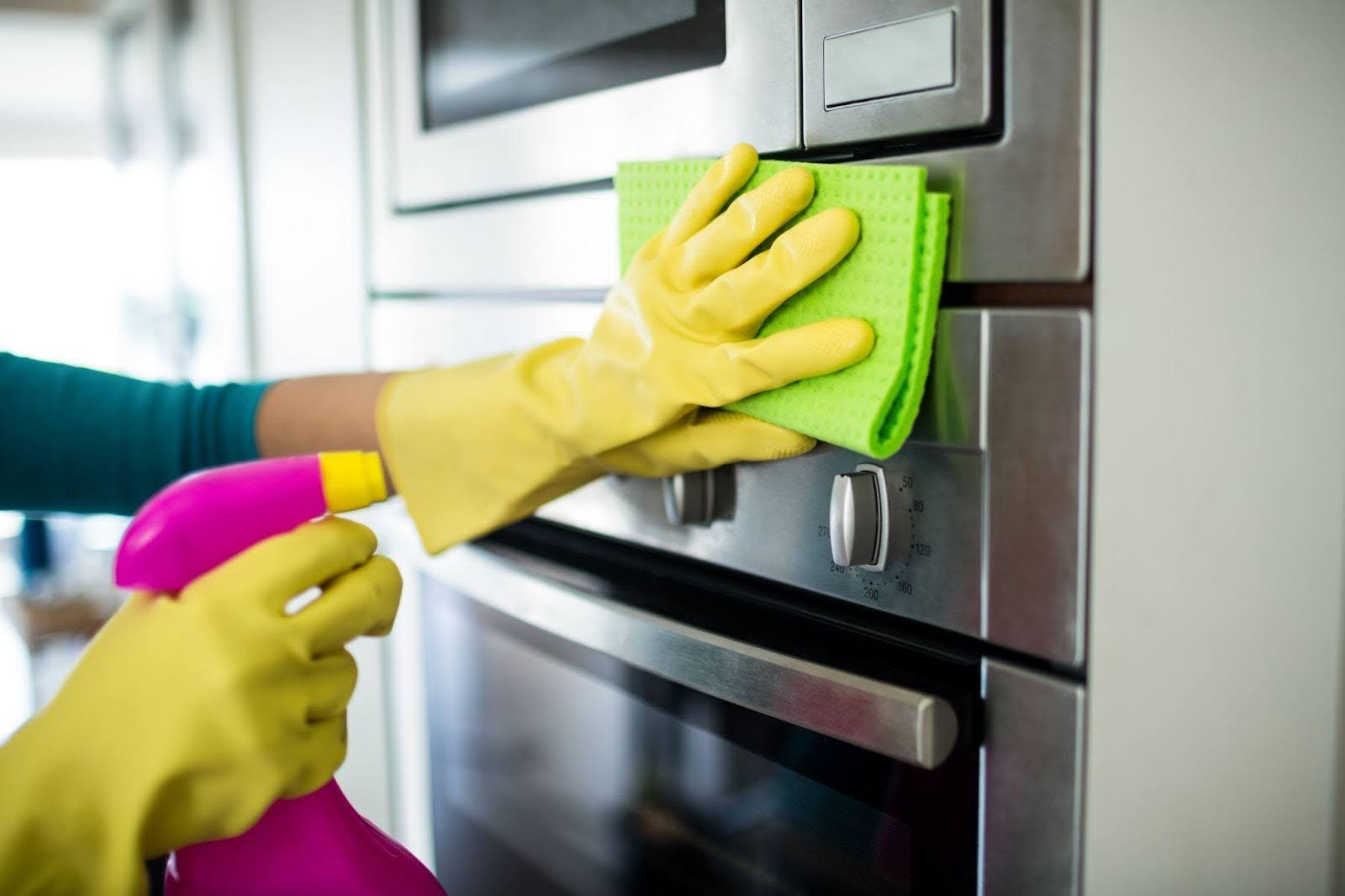
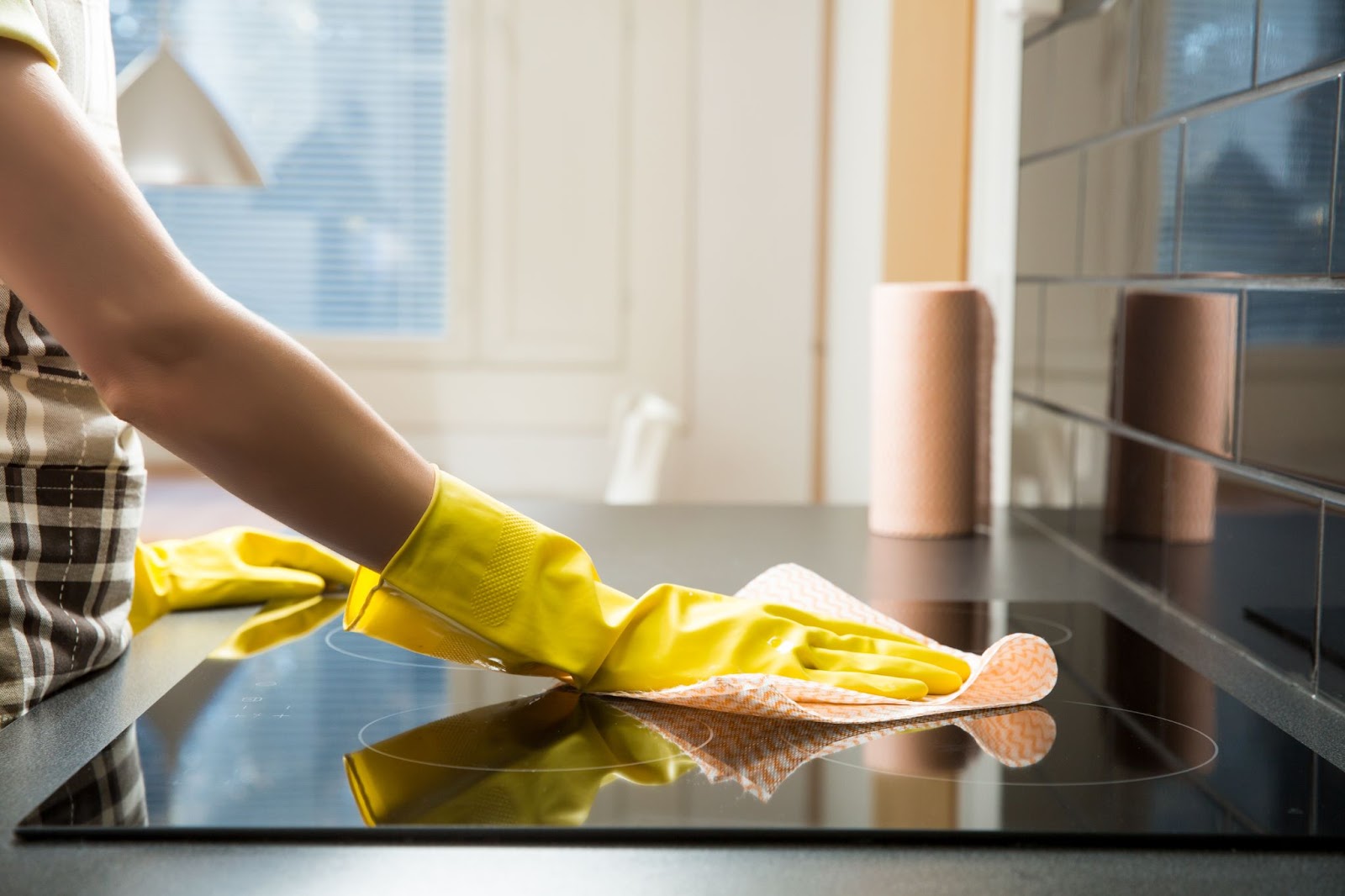
- Apply disinfectant solutions Use approved solutions on high-touch areas — door handles, switches, cell phones, and kitchen counters.
- Let surfaces dwell Allow cleaning agents to sit for the manufacturer’s recommended time to ensure full germ elimination.
- Sanitize soft surfaces Use spray sanitizers or fabric-safe steam cleaners on bedding, curtains, and upholstered furniture.
- Finish with air purification A HEPA-certified air purifier helps remove airborne particles and maintains the effects of professional home sanitization services.
Examples
Recurring allergies
A Sandy, Utah, homeowner dealt with recurring allergies despite constant cleaning. Daisy Maids performed deep home disinfection services, focusing on carpets, vents, and bedding. Within weeks, the family noticed clearer breathing and fewer allergic flare-ups.High pollen and dust movement
Homes along the Wasatch Front face high pollen counts and dust movement from desert winds. Regular disinfection prevents these airborne particles from accumulating indoors — especially essential for families with asthma or young children.Benefits of a sanitized, allergen-free home
Improves indoor air quality
Regular disinfection and allergen control reduce the amount of dust, pet dander, pollen, and airborne pollutants circulating throughout your home. Fewer airborne allergens lead to easier breathing, better sleep, and a more comfortable living environment, especially during seasonal allergy spikes.Reduces illness and infection
Consistent disinfection removes bacteria and viruses from high-touch surfaces such as doorknobs, countertops, and electronics. This helps limit the spread of germs between family members and lowers the risk of common illnesses, particularly in busy households or shared living spaces.Protects sensitive family members
Homes with children, seniors, pets, or individuals who have allergies, asthma, or weakened immune systems benefit greatly from routine sanitization. Reducing exposure to irritants and germs creates a safer environment that supports long-term health and comfort.Extends the lifespan of furnishings
Dust, debris, and allergens break down fibers in carpets, upholstery, and window treatments over time. Regular cleaning and disinfection help prevent premature wear, keeping fabrics and surfaces in better condition and lasting longer.Enhances daily comfort
A consistently clean home feels better to live in. Fresh-smelling rooms, dust-free surfaces, and clean floors create a calming atmosphere that supports relaxation and peace of mind throughout the day. When paired with professional Utah cleaning services, consistent disinfection and allergy prevention help turn your home into a clean, comfortable retreat from outdoor pollutants and everyday stress.Common mistakes to avoid
Skipping high-touch areas
High-touch surfaces like door handles, light switches, remote controls, and phones collect germs constantly throughout the day. These areas often look clean, which makes them easy to overlook, but they’re among the most common sources of bacteria in the home. Failing to disinfect them regularly allows germs to move quickly from person to person, especially during cold and flu season.Using the wrong cleaners
Not all cleaning products disinfect, and some only move dirt around instead of removing it. Using the wrong cleaner on certain surfaces can leave behind residue, spread bacteria, or even damage finishes. Effective cleaning requires the right product for the job, whether that means a disinfectant for high-touch areas or a gentle cleaner for delicate surfaces.Forgetting ventilation
Proper airflow plays a major role in maintaining a healthy home. Cleaning without ventilation traps dust, chemical fumes, moisture, and allergens indoors, which can worsen air quality. Opening windows, using fans, or running ventilation systems while cleaning helps reduce mold growth and keeps airborne irritants from lingering long after the job is done.Cleaning without protective gear
Gloves and masks may feel optional, but they protect your skin and lungs from harsh chemicals, allergens, and bacteria. Prolonged exposure to cleaning products without protection can cause irritation, respiratory discomfort, or allergic reactions. Wearing basic protective gear helps keep cleaning safe and prevents unnecessary health risks.Inconsistent cleaning routine
Waiting too long between deep cleans allows dirt, bacteria, and allergens to build up again, reducing the effectiveness of past efforts. Inconsistent schedules often lead to heavier buildup that requires more time and effort to remove. Maintaining a regular routine or scheduling professional home sanitization services helps preserve cleanliness, improve hygiene, and keep your home feeling fresh year-round.Health data and research insights
- 50 million Americans suffer from allergies yearly — indoor allergens are a major trigger
- Proper disinfection lowers cold and flu viruses by 80%
- Utah’s arid climate increases airborne dust
Recommended tools and cleaning products
- Microfiber cloths: Trap dust and allergens effectively.
- HEPA vacuums: Capture microscopic particles that traditional vacuums miss.
- EPA-approved disinfectants: Ensure safe removal of bacteria and viruses
- Steam cleaners: Use to sanitize soft furnishings.
- Air purifiers: Help extend the results of home sanitization services.
- Allergen-proof covers: Shield mattresses and pillows from dust mites.