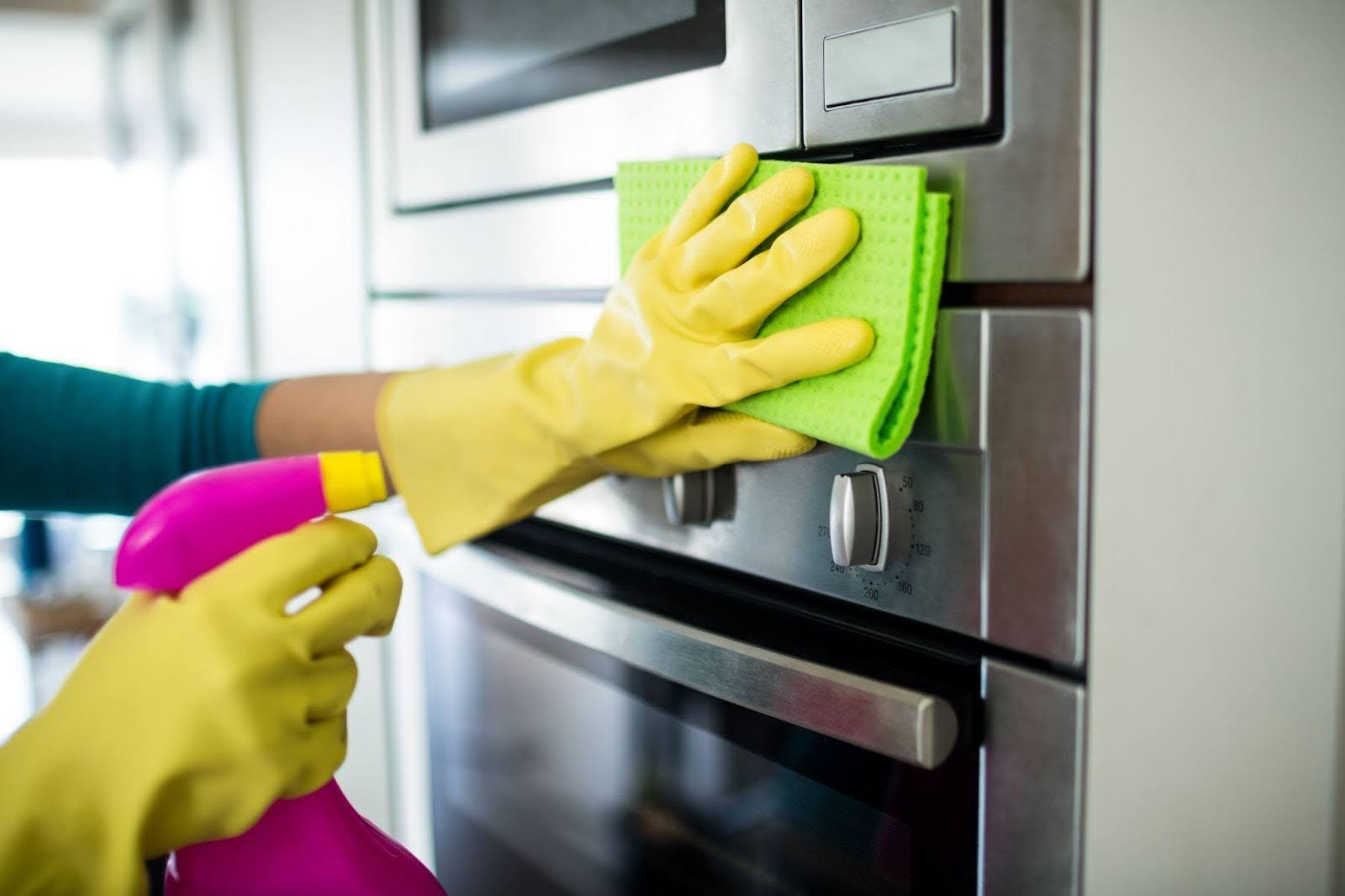

Start with the right tools
The battle against pet hair begins with equipping yourself with the best tools for the job. A high-quality vacuum cleaner designed for pet hair is crucial. Look for vacuums with strong suction, specialized attachments, and filters that handle high volumes of pet hair. Investing in a good vacuum cleaner means less time cleaning and better results. Consider supplementing your vacuum with a robotic vacuum cleaner that operates daily to maintain low levels of pet hair. These automated helpers reach under furniture and other hard-to-access areas, consistently keeping pet hair accumulation to a minimum. Their set-it-and-forget-it functionality makes it easier to keep your home tidy, even on your busiest days.Develop a regular grooming routine for your pets
Regular grooming significantly reduces the amount of hair pets shed around the house. Brush your pets frequently to catch loose fur before it ends up on your furniture and floors. Depending on your pet’s breed and hair type, you might need to brush them several times a week or even daily. Consider professional grooming services if your pet’s coat requires extra care. Also, introduce bathing into the routine based on your vet’s recommendations, which helps loosen and remove fur ready to shed. Using the right shampoo also enhances the health of your pet’s skin and coat, reducing shedding as a result.Use the right fabric choices in your home
Furniture and decor choices make a huge difference in managing pet hair. Opt for smooth, easily wipeable surfaces like leather or tightly woven fabrics, which don’t trap hair as easily as textured materials do. If you prefer softer fabrics, choose ones that match your pet’s fur color to make shed hair less noticeable. Invest in high-quality vacuum cleaners with upholstery attachments specifically designed for furniture. This makes it easier to maintain cleanliness and extend the life of your furniture by preventing hair from embedding deeply into the fabric.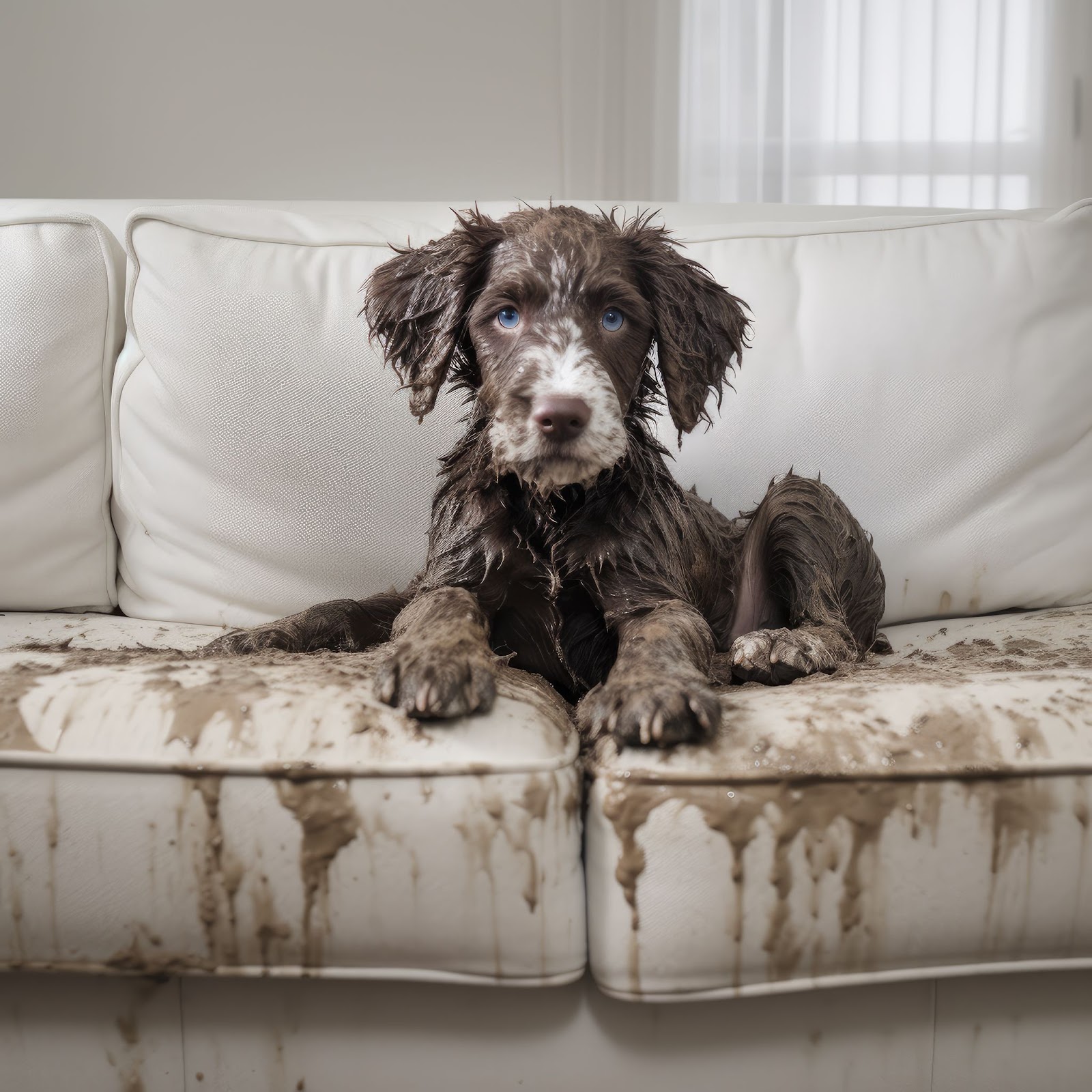
Wash bedding regularly
Pets love cozy spots, and their bedding can quickly become a fur reservoir. Wash your pet’s bedding weekly in hot water to get rid of hair and dander. This routine not only keeps your home cleaner but also helps reduce allergens associated with pets. Moreover, consider using hypoallergenic detergents that are gentle on your pet’s skin and on the fabric, ensuring the bedding remains soft and free of chemicals that could cause skin irritations or further allergies.Cover up and protect your furniture
Using throws or covers on furniture is an easy way to protect surfaces from pet hair. Choose covers that are simple to remove and durable enough to withstand frequent washing. This strategy allows you to quickly clean up hair by simply tossing the covers in the wash. For an added layer of protection, select covers treated with a repellant that resists pet hair, making it even easier to shake off or vacuum up hairs without them sticking to the fabric. This ensures your furniture stays clean and stylish, even with pets lounging on them every day.Keep some quick cleanup tools handy
For quick touch-ups, keep lint rollers or reusable pet hair removers in strategic places around your house, like the living room or near your pet’s favorite spots. These tools are great for quickly removing hair from clothes, furniture, and even curtains. Additionally, wet wipes designed for pet hair might be a game-changer for surfaces like glass tables or countertops where hair tends to stick. These wipes pick up fine hairs that other tools might miss, making your cleaning sessions more thorough and less frequent.Train your pets to stay off certain areas
Training your pets to avoid certain pieces of furniture or areas significantly reduces the amount of cleanup required. Use pet training mats or sprays that deter pets from climbing on furniture or provide them with comfortable alternatives where they may relax. Reinforcing these boundaries with positive reinforcement, such as treats or affection when they obey, will help your pets learn faster and make the training stick. This proactive approach not only keeps your home cleaner but also helps maintain the integrity and appearance of your furniture.Incorporate air purifiers
Pet hair often comes with dander, which will float around your home and settle on surfaces. An air purifier helps capture these airborne particles before they land, keeping your home cleaner and helping family members with allergies breathe easier. Placing air purifiers in high-traffic areas or where your pets spend most of their time dramatically improves the air quality, reducing the need for frequent dusting and vacuuming. This makes a significant difference, especially during allergy season or in homes with multiple pets.Seal and secure pet hair hot spots
Identify areas where pet hair accumulates the most, like pet beds, favorite resting spots, or near entryways. Regularly clean these hot spots and consider using sealable containers for pet toys and accessories to minimize hair spreading. You might also invest in a robot vacuum that can be scheduled to a clean home routine daily. This proactive cleaning will help maintain a baseline of cleanliness, reducing the buildup of pet hair and making it easier to manage during your regular cleaning routines.Get everyone involved
Make pet hair removal a team effort. Assign tasks to family members, such as brushing the pets or vacuuming specific rooms. This approach keeps your home cleaner and helps everyone appreciate the efforts required to maintain a fur-free environment.Optimize your cleaning techniques
Vacuuming in multiple directions helps lift more hair from carpets and upholstery. Use a damp mop on non-carpeted floors to collect stray hairs that the vacuum might miss. Additionally, using a squeegee on carpeted stairs or upholstered furniture pulls out hair that vacuums cannot reach.